GT500 Fuel Supplier Set to Change Amid ETS Doubts
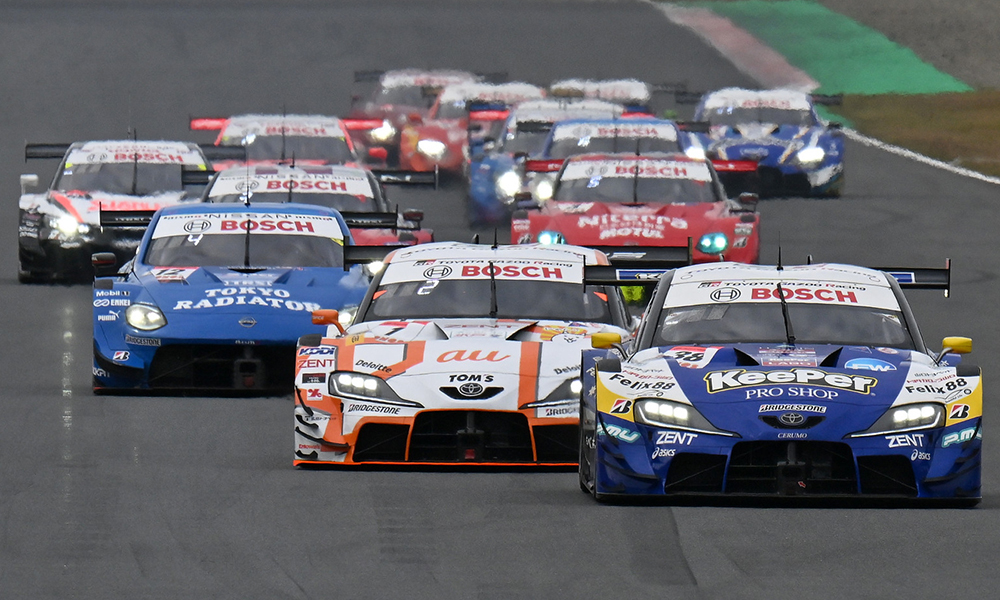
Photo: SUPER GT
SUPER GT looks set to cut short its fuel supply deal with the ETS Racing Fuels brand and switch to an alternative supplier for the upcoming season.
The Japanese series has been using carbon-neutral fuel products supplied by German firm Halterman Carless and its ETS brand since 2023 in both classes as part of its commitment towards reducing its environmental footprint.
However, multiple team sources have indicated to Sportscar365 that GT500 manufacturers are preparing to go into the new season using a new domestically-produced 10 percent ethanol fuel blend produced by ENEOS and raBit.
This is the same product that will be utilized in Japan’s Super Formula series.
The current generation of two-litre turbocharged engines that power the GT500 cars are based on the same framework, the so-called ‘Nippon Racing Engine’, also used by Honda and Toyota in the single-seater championship.
SUPER GT’s switch in fuel comes at the same time manufacturers are preparing to go into the new campaign only able to use one engine per season, and follows engine problems last year that forced some teams into using as many as three engines.
It follows the ETS Racing Fuels logo disappearing from the official SUPER GT website in recent days, while the cars exhibited by the series at the recent Tokyo Auto Salon were also notably missing the logos, which were previously part of the number panels.
In the GT300 class, which switched to an ETS Racing Fuels-supplied 50 percent carbon-neutral blend in 2024, premium unleaded is expected to be used.
A GTA spokesperson told Sportscar365 has “nothing to announce at this stage” when contacted regarding the matter, but clarified that the championship’s contract with Halterman Carless is valid through the end of the 2026 season.
The championship, however, has previously made clear its desire to switch to a domestic low-carbon fuel supplier as soon as possible to save on freight costs.
Meanwhile, a spokesperson for ETS Racing Fuels was eager to highlight the fact that the firm had met all of its obligations in its agreement with the GTA amid industry challenges.
“ETS was always making sure fuel was available on track right on time, despite a force majeure from one of our sustainable component suppliers, commonly used in the industry, having huge difficulties to supply this material to the industry for almost one full year,” said the spokesperson.
“Despite these difficulties, ETS took its responsibilities and made all things possible, including very expensive airfreight shipment, to ensure fuel was delivered on time to [each] track in Japan.”
SUPER GT manufacturer testing begins this week at Sepang in Malaysia, with seven GT500 cars set to participate, but there are no rules regarding fuel supply outside official tests, meaning teams are free to use any fuel they wish.
Official testing begins at Okayama on March 6-7 ahead of the season opener at the same venue on April 11-12.
Source: Sports Car 365